Behavioral health organizations face a compliance workload that rarely stays in one place. Hiring documents live in one folder, training proof lives somewhere else, and license or certification records may sit in spreadsheets that are difficult to trust during an audit. When these pieces are disconnected, HR teams spend too much time chasing paperwork and too little time improving readiness.
Healthcare compliance software gives behavioral health providers a more reliable way to manage workforce documentation, deadlines, and evidence. Instead of reacting to missing items at the last minute, organizations can build a repeatable system for staying prepared across onboarding, ongoing employment, and accreditation reviews.
Key Takeaways
What Is Healthcare Compliance Software in an HR Context?
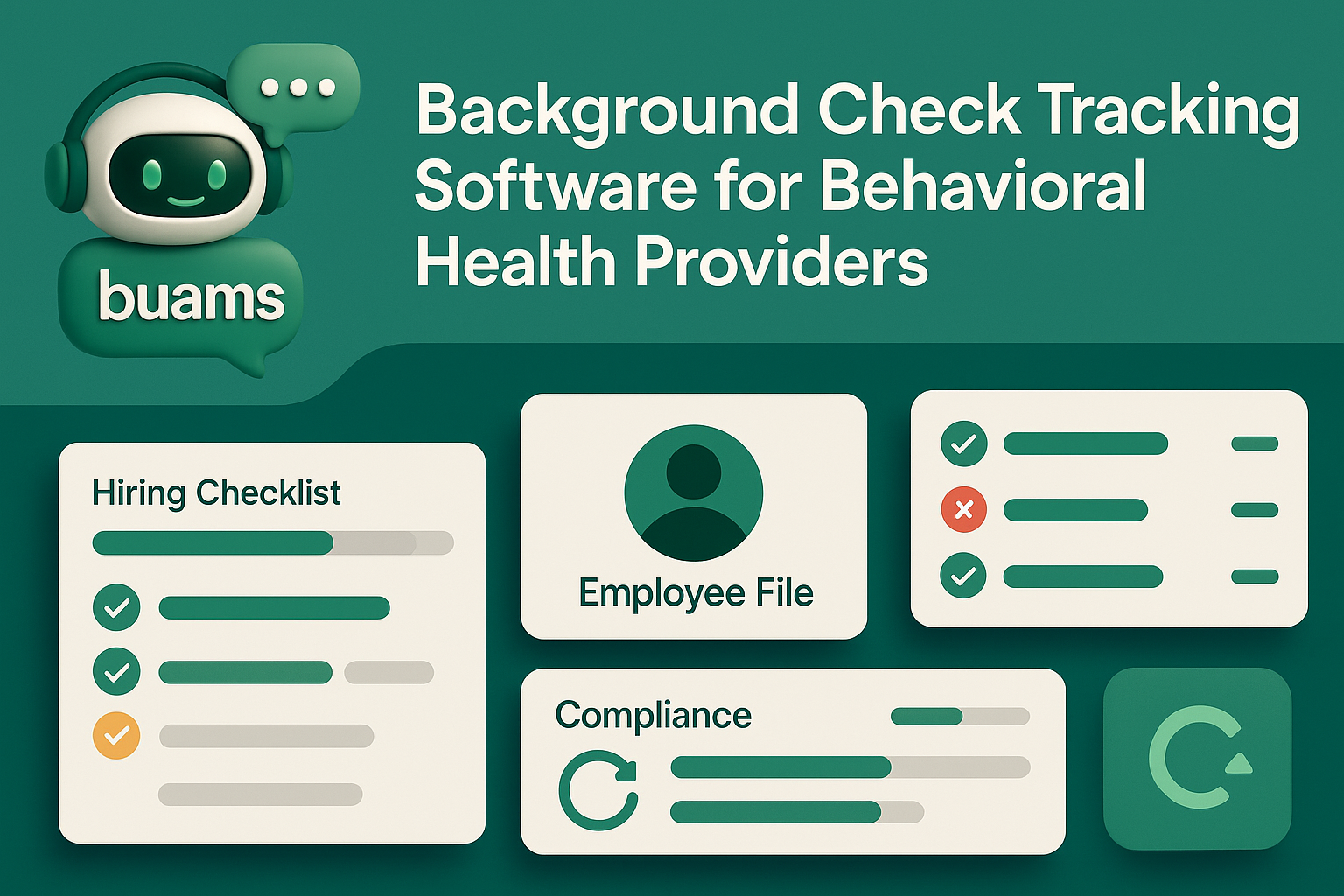
In an HR setting, healthcare compliance software is the system used to organize and monitor the workforce requirements that support safe, compliant operations. That includes employee files, licenses, certifications, trainings, acknowledgments, job-related documentation, and other evidence that HR leaders may need to produce quickly.
For behavioral health providers, the challenge is not just storing documents. The real issue is keeping records current across multiple programs, roles, and regulatory expectations. A strong compliance process should help teams see what is complete, what is expiring, what is missing, and what needs follow-up before it becomes a problem.
Why It Matters for Behavioral Health Providers
Behavioral health organizations often manage a mix of clinicians, supervisors, direct care staff, administrators, and support teams. Each role can carry different requirements for onboarding, training, supervision, and file maintenance. As the organization grows, the complexity increases.
Without a structured system, HR staff may rely on email reminders, shared drives, and manual checklists. That approach can work for a short time, but it becomes fragile as hiring volume rises or reporting expectations become more demanding. A missed renewal, incomplete file, or outdated policy acknowledgment can create unnecessary stress during internal reviews, payer audits, or accreditation preparation.
Healthcare compliance software matters because it brings routine discipline to that work. It gives HR teams a clearer picture of readiness and helps them respond faster when leadership asks for proof.
Common Audit Gaps That Slow HR Teams Down
Many compliance issues do not come from a total lack of effort. They come from fragmented processes. HR teams may be doing the work, but the evidence is spread across too many tools.
What to Look for in Healthcare Compliance Software
Not every system built for HR is designed for the realities of healthcare compliance. Behavioral health providers should look for software that supports both organization and follow-through.
Centralized employee files
A strong platform should make it easy to keep employee records in one place, with clear structure for required documents, acknowledgments, and role-based file contents. Centralization reduces the risk of duplicate storage and makes audits easier to manage.
Deadline and expiration tracking
Compliance software should help teams monitor due dates for licenses, certifications, trainings, and periodic reviews. Automated reminders are valuable, but visibility matters just as much. HR leaders need to know what is approaching and where the backlog sits.
Standardized onboarding workflows
When onboarding is inconsistent, compliance issues start on day one. Look for workflows that help teams assign required items by role, location, or program so every new hire begins with the right checklist.
Fast document retrieval
If the system cannot help staff locate proof quickly, it will not reduce audit stress. Searchability, consistent organization, and simple access controls make a major difference when deadlines are tight.
Operational fit for behavioral health
Behavioral health providers need a platform that supports real workforce complexity, including multiple program types, different job functions, and evolving compliance obligations. The best software fits those realities without forcing teams into awkward workarounds.
Best Practices for Reducing Audit Gaps
Software helps most when it supports a disciplined process. A few practical habits can improve results quickly.
How BUAMS HR Helps
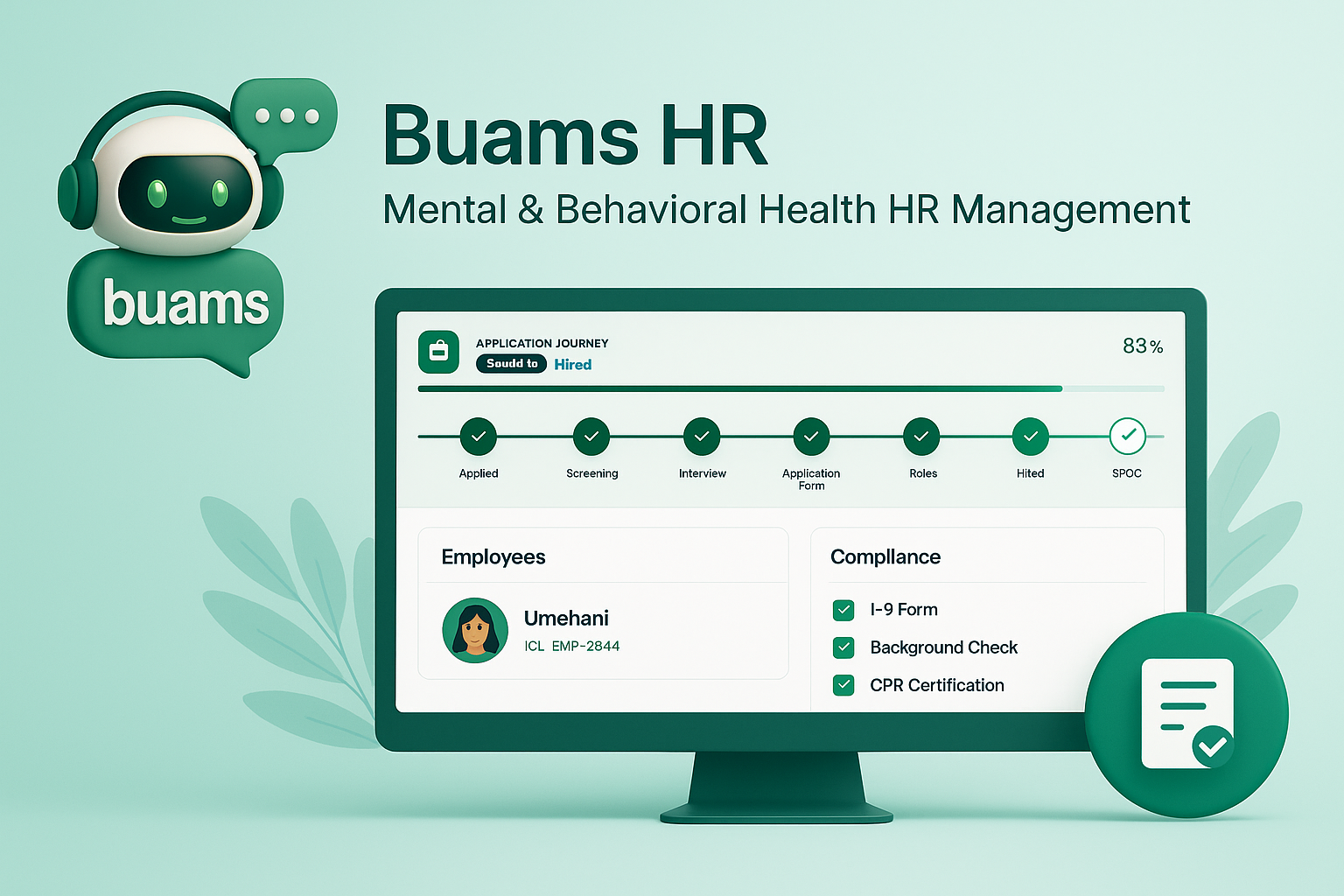
BUAMS HR helps behavioral health organizations turn compliance work into a more manageable operating process. Instead of piecing together onboarding checklists, employee files, and follow-up reminders across separate tools, HR teams can keep key workforce records organized within a single system.
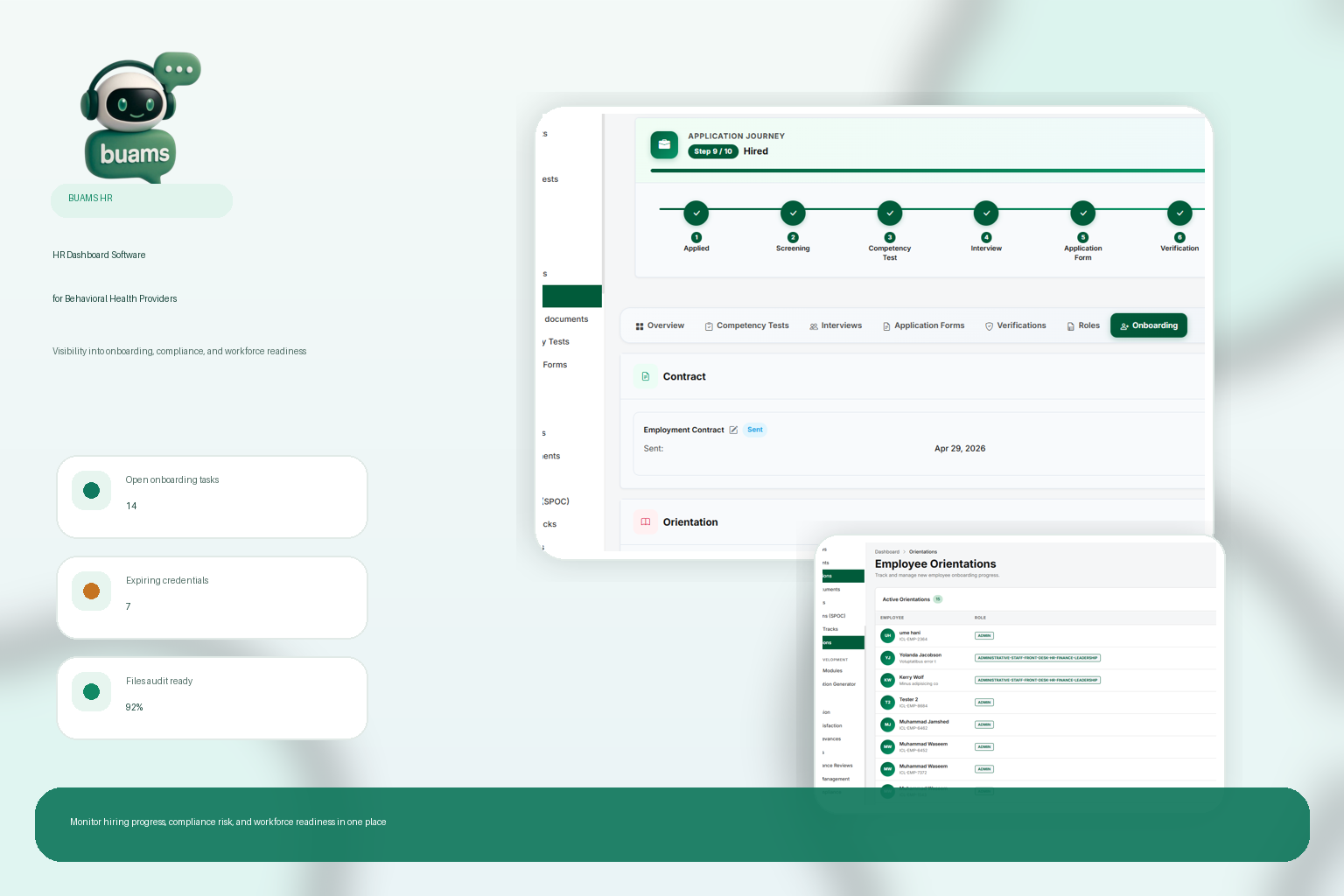
With BUAMS HR, providers can support more consistent onboarding, maintain digital employee files, track workforce readiness items, and improve visibility into missing or expiring documentation. That reduces manual searching and helps teams stay better prepared for audits, accreditations, and internal reviews.
For agencies that want less last-minute scrambling and more day-to-day control, that kind of structure can make a meaningful difference.
Final Thoughts
Healthcare compliance software is not just about storing documents. For behavioral health HR teams, it is about building a reliable way to keep hiring, employee files, and staff requirements aligned over time. The more consistent the process becomes, the easier it is to respond to audits, support leadership, and protect operational stability.
Organizations that invest in a clear compliance workflow can reduce avoidable gaps and spend less time chasing paperwork. In a field where workforce readiness directly affects service delivery, that is a practical advantage.