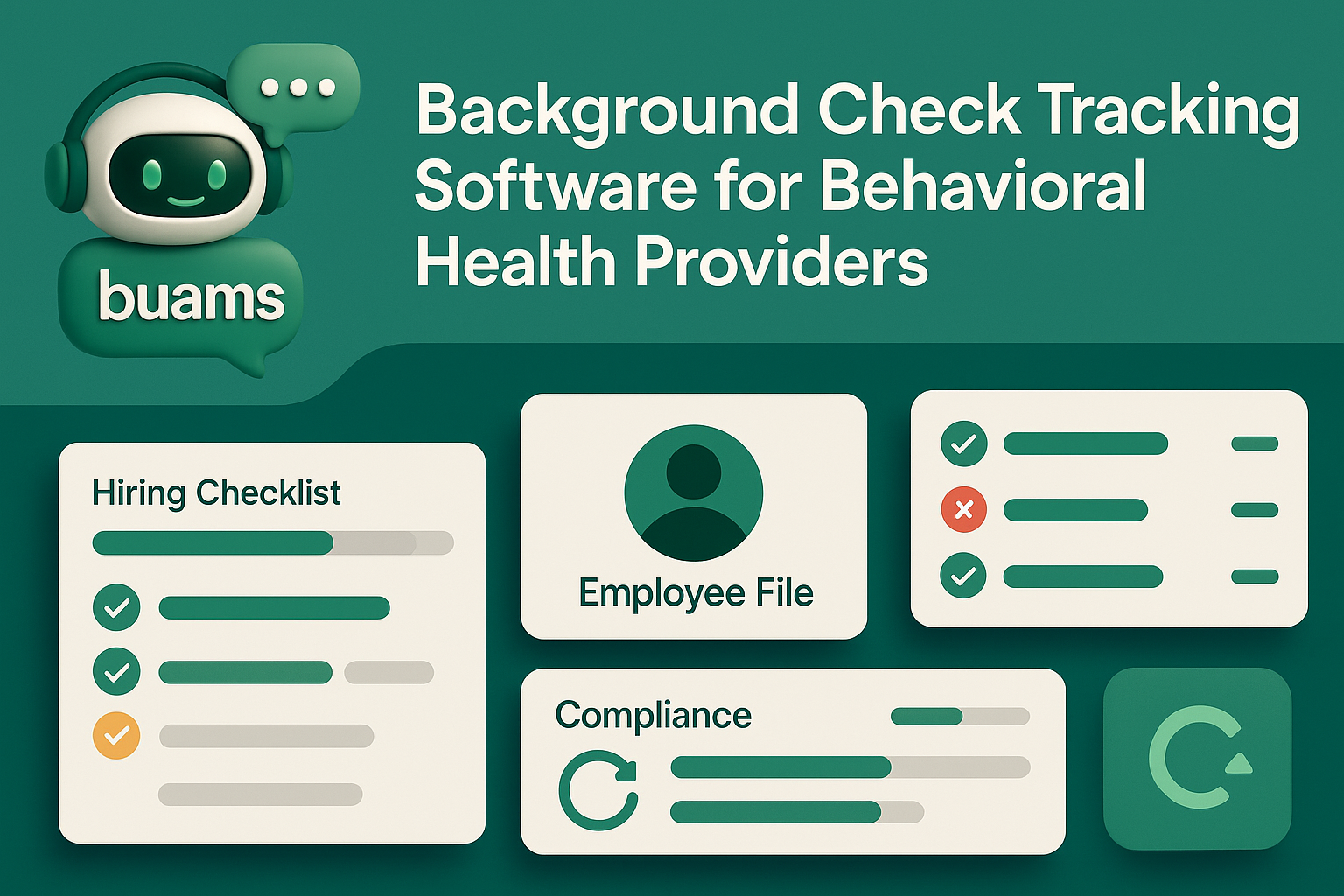
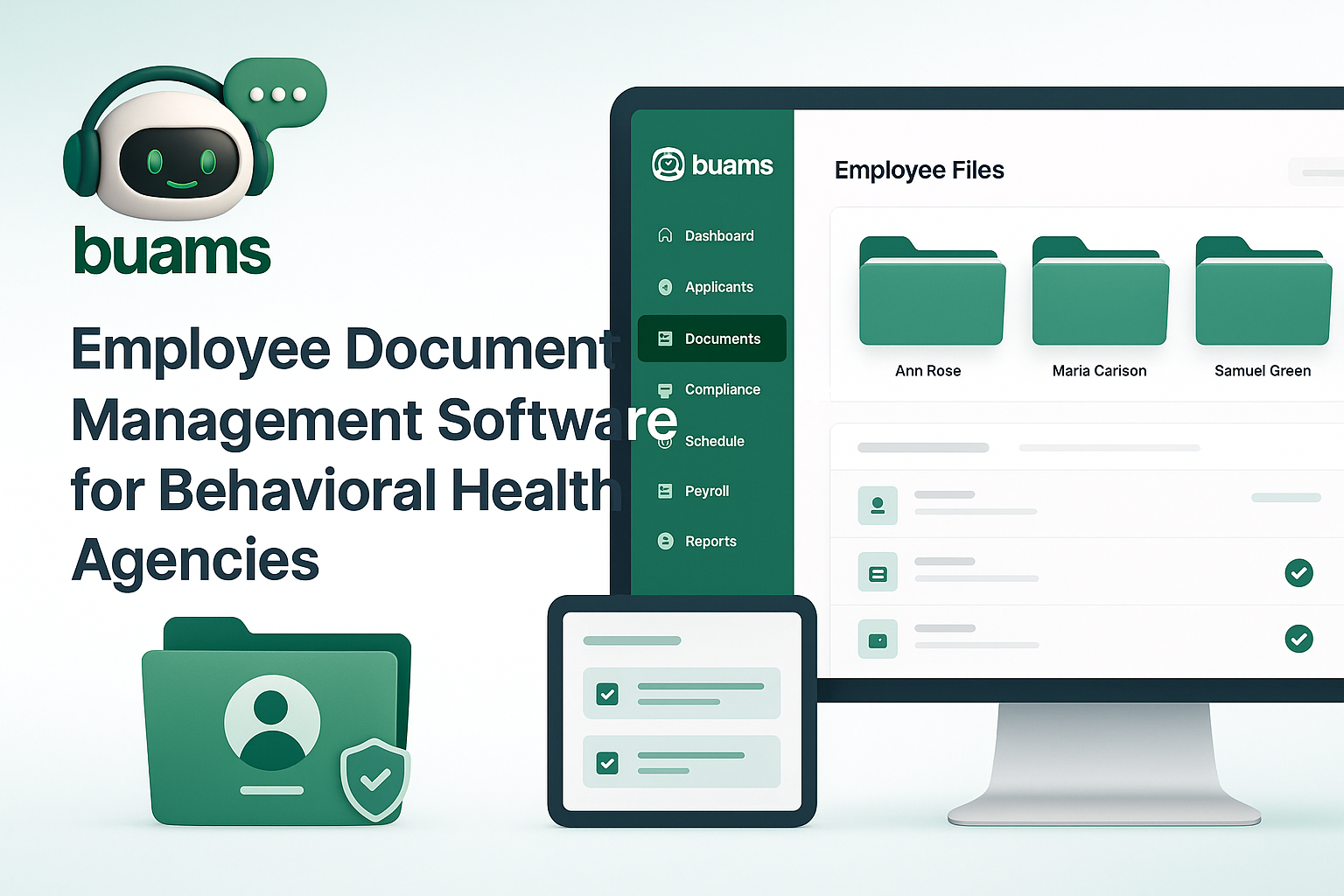
Behavioral health agencies manage a constant flow of hiring forms, policy acknowledgments, licenses, training records, supervisory notes, and compliance documents. When those files live across email inboxes, shared drives, paper folders, and disconnected HR tools, small gaps turn into real operational risk. Employee document management software gives mental health and human services organizations a cleaner way to organize records, control access, and stay ready for audits.
What Is Employee Document Management Software?
Employee document management software is a structured system for storing, organizing, updating, and retrieving workforce records. In a behavioral health setting, that can include offer letters, I-9 forms, handbooks, job descriptions, immunization records, background check confirmations, training certificates, signed policies, evaluations, and separation paperwork. Instead of treating each document as a one-off attachment, the software creates a consistent digital file for every employee.
For agencies with multiple programs, locations, or supervisors, a centralized employee management system also makes it easier to apply the same filing standards across the organization. That consistency matters when teams are growing quickly or preparing for external review.
Why It Matters for Behavioral Health Providers
Behavioral health organizations operate in a compliance-heavy environment. HR leaders may need to produce employee records for internal reviews, payer requirements, CARF surveys, Joint Commission preparation, or state-level inspections. If files are incomplete or scattered, the issue is not just inconvenience. It can delay hiring, slow audits, frustrate supervisors, and increase the chance that expired or missing records go unnoticed.
Digital employee files also support day-to-day operations. Managers can verify whether key forms are complete before a start date, HR can confirm whether policy acknowledgments were signed, and leadership can reduce dependency on one person who knows where everything is stored. That makes the whole organization more resilient.
What to Look For in Employee Document Management
Centralized file organization
Each employee should have a clear digital record with documents grouped in a logical structure. HR teams should not have to dig through email chains or unrelated folders to find a single signature page.
Permission-based access
Not every manager should see every document. Healthcare HR software should support role-based access so sensitive employee information is available only to the right people.
Standardized document collection
Good HR automation software helps agencies collect the same required forms for every new hire or status change. That reduces variation and makes missing items easier to spot.
Version control and audit visibility
When policies, job descriptions, or acknowledgments change, teams need confidence that the latest version is attached to the right employee record. Audit visibility helps organizations show what was completed and when.
Connections to compliance workflows
Employee document management is strongest when it connects with credential tracking software, staff onboarding automation, and compliance tracking software. Standalone storage is better than paper, but connected workflows create much more value.
Common Gaps That Create Risk
Many agencies think they have employee files under control until they test the process. Common gaps include unsigned handbook acknowledgments, inconsistent naming conventions, missing annual documents, duplicate files saved in different systems, and no simple way to confirm completeness across the workforce. These issues become more serious when organizations expand programs or experience turnover in HR leadership.
Another frequent problem is relying on shared drives without clear ownership. Shared folders can hold documents, but they usually do not guide users through required steps or highlight which files are missing. That leaves too much room for manual follow-up.
How BUAMS HR Helps
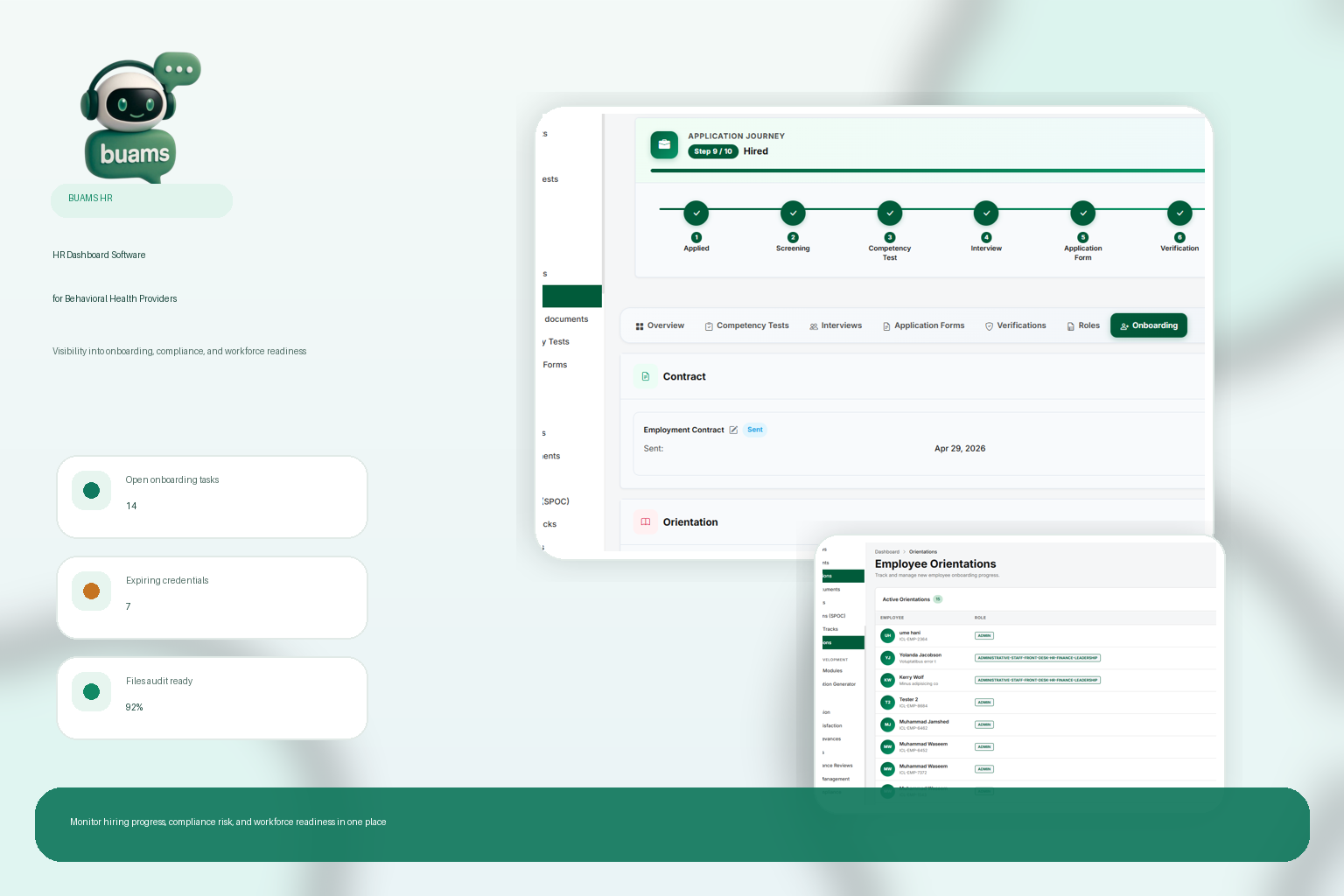
BUAMS HR gives behavioral health providers a more organized way to manage digital employee files inside a broader human resources platform. Instead of separating onboarding, compliance, and file storage, teams can keep documents connected to the employee record and the workflows that matter most.
For mental health agencies trying to reduce administrative drag, that kind of workforce management software can save time while lowering compliance risk.
Final Thoughts
Employee document management software is not just about going paperless. For behavioral health agencies, it is a practical foundation for cleaner onboarding, stronger compliance, and more reliable workforce operations. When employee files are centralized, accessible, and tied to real HR workflows, agencies spend less time chasing paperwork and more time supporting staff and services.